Scale structured interviews to every applicant

Let every candidate speak with an AI interviewer first
Fairtalk helps recruiters streamline the hiring process by significantly reducing the time spent on candidate screening and first-round interviews. By conducting structured, job-relevant interviews automatically, Fairtalk ensures that every applicant is assessed consistently while providing recruiters with clear, objective insights.
This allows hiring teams to focus their attention on the most promising candidates and spend more time making informed hiring decisions rather than managing administrative screening tasks.
How Fairtalk Works
Define the role
Create a vacancy profile and select the competencies, skills, and behaviors that are most important for success in the role.
Invite candidates
Candidates receive a personal invitation and can complete their interview at a time that suits them.
Complete the AI interview
Fairtalk conducts a structured interview, asking every candidate the same job-relevant questions in their preferred language.
Analyze responses objectively
The platform evaluates candidate responses against predefined criteria, ensuring a consistent and evidence-based assessment process.
Receive a recruiter-ready report
Recruiters receive a concise report containing key insights, competency scores, strengths, development areas, and suggested follow-up questions.
Make better-informed hiring decisions
Science-based
The Fairtalk structured interview improves the validity of selection by 30%. Its predictive validity is 0.51 (Sackett et al., 2023). By comparison: personality tests 0.25, traditional interviews 0.38. Fairtalk’s structured interview is designed in accordance with the guidelines of the NIP (Dutch Institute of Psychologists).
%
Reduced bias (enhanced diversity)
%
Increased validity and reliability of selection
%
Time savings (fewer false positives)
%
Lower employee turnover
european ai-act
The AI Act is a strong European response to the challenge of responsible use of artificial intelligence. Since our start in 2024, Fairtalk has embedded the implications of this legislation in our product: we explain clearly what the AI does and why, and ensure that a human remains accountable for every decision. AI should support, objectify and simplify – not take control.
The AI Act focuses on the following themes.
Risk assessment
Companies must assess AI-related risks, minimize discriminatory effects and errors, and ensure transparency.
Transparency
Companies must be clear about AI Act systems, explain how they operate and what data they collect. This includes transparency about the algorithms used and how they work.
Human oversight
Human oversight is required to ensure AI-supported decisions are accurate and fair.
Data quality and privacy
Companies must ensure high-quality, unbiased AI data and protect user privacy in line with GDPR requirements.
User competence
As of 2 February 2025, organizations must ensure that users have the skills, knowledge, and understanding needed to deploy AI systems effectively.
Knowledge hub
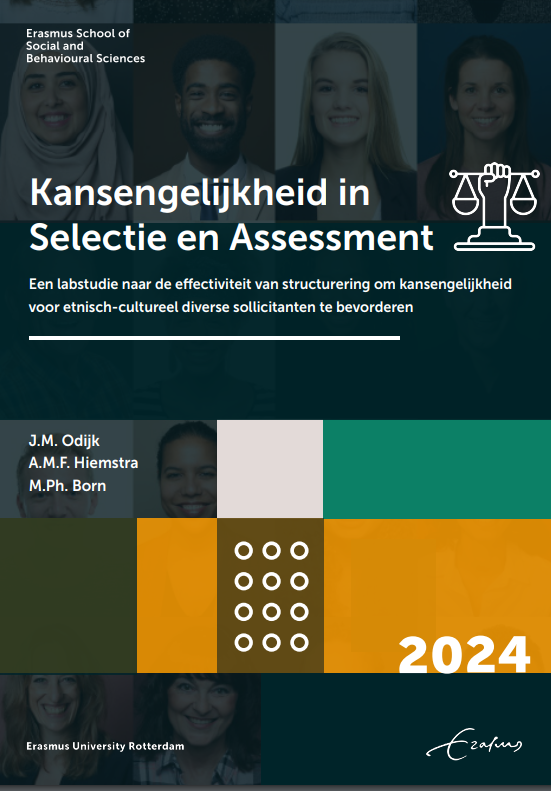
Equal Opportunities in Selection and Assessment
A lab study on the effectiveness of structured methods to improve fairness for ethnically and culturally diverse applicants.
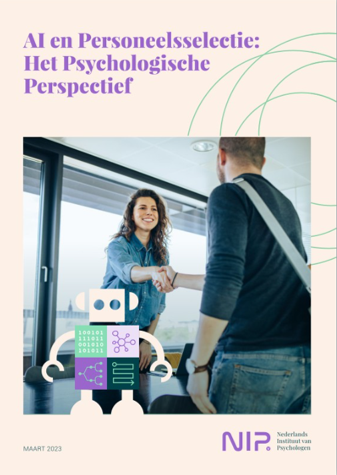
AI and Personnel Selection: A Psychological Perspective
Key requirements for psychological assessment tools and why they also apply to responsible AI use.
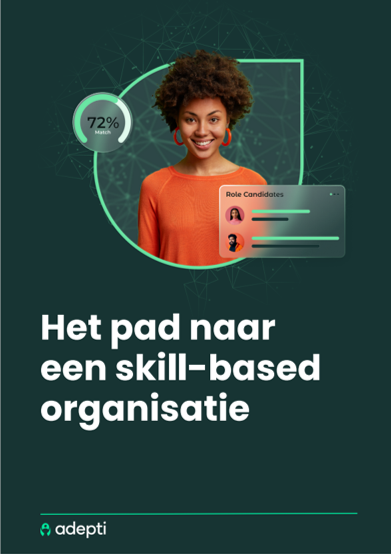
The Path Toward a Skills-based Organization
How the shift to skills-based organizations is supported by business trends and research findings.